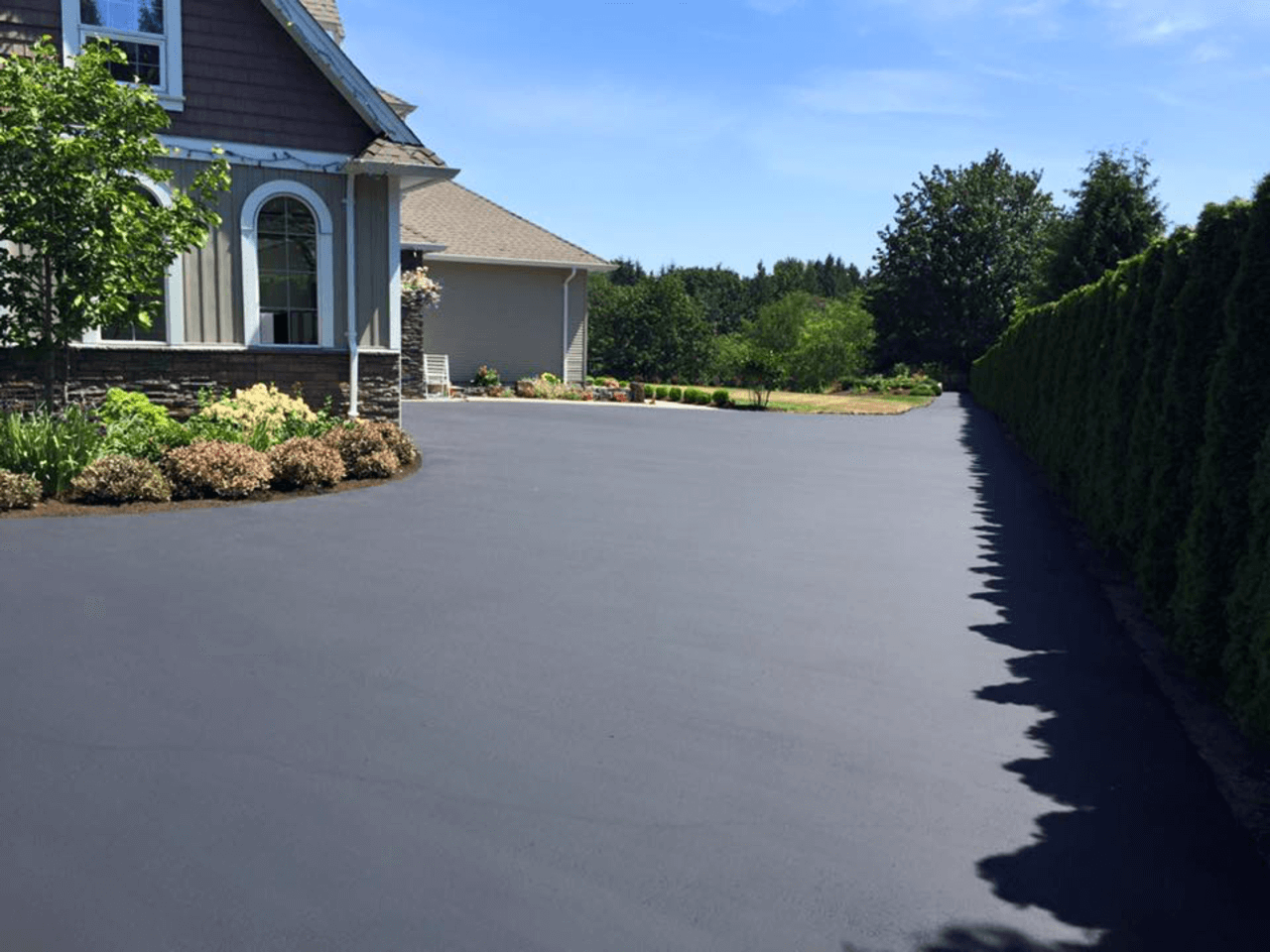
Getting a new driveway is exciting, but it also comes with a lot of questions. Whether you are a homeowner investing in curb appeal or a commercial property manager protecting a larger paving project, the first few months after installation are important.
Many people assume asphalt is fully hardened as soon as the paving crew leaves. In reality, freshly paved asphalt continues curing for several months. During this time, the surface is still strengthening and needs some care to prevent early wear and damage.
The good news? With proper maintenance and a few smart precautions, your new driveway or parking lot can stay in excellent condition for many years.
Key Takeaway
New asphalt typically takes 90–120 days to cure properly. During that period, avoiding excessive weight, standing water, sharp turns, and chemical spills can significantly extend the life of your pavement.
Why New Asphalt Needs Time to Cure
Fresh asphalt may feel solid immediately after installation, but underneath the surface, the material is still curing and hardening over time. This process allows the pavement to become stronger and more resistant to traffic, weather, and long-term wear.
During this curing phase, the asphalt is temporarily more sensitive to:
- Tire marks
- Heavyweight in concentrated areas
- Surface scuffing
- Extreme weather conditions
That does not mean there is something wrong with your driveway. It simply means the pavement needs a little extra care while it fully settles.
What Can Damage a Newly Paved Driveway?
One of the biggest risks to fresh asphalt is heavy weight sitting in the same spot for too long. Large vehicles like RVs, moving trucks, trailers, or commercial delivery vehicles can create depressions during the curing period, especially during warmer weather when asphalt softens slightly.
Sharp turning movements can also affect fresh pavement. Turning your steering wheel aggressively while the vehicle is stopped may scuff or twist the surface. This commonly happens near garages, tight parking areas, and turnaround points.
Water is another major concern. If water is left to pool on the surface, it can slowly seep into the pavement and weaken the base underneath. Over time, this can lead to:
- Cracks
- Soft spots
- Premature deterioration
- Drainage-related failure
This is why proper grading and drainage matter so much during installation. At Burnaby Blacktop, we always evaluate water flow and slope, not just the asphalt surface itself.
Oil and fuel spills should also be cleaned quickly. Petroleum products can soften asphalt binders and damage the surface over time. Using mild soap and water immediately after a spill can help reduce long-term damage.
During winter, snow, wet leaves, and debris should not sit on the surface for extended periods. Excess moisture is one of the leading causes of early asphalt deterioration in the Lower Mainland.
Should You Seal Coat a New Driveway?
One of the most common questions property owners ask is: “How soon should I seal my new driveway?”
The answer is simple: not right away.
Fresh asphalt needs time to cure before seal coating is applied. In most cases, homeowners and property managers should wait approximately six months, depending on weather and traffic conditions.
- Slow oxidation
- Protect against moisture penetration
- Improve appearance
- Extend the life of the pavement
When done at the right time, seal coating can significantly improve long-term performance.
Common Concerns Homeowners and Property Managers Have
After a paving project is completed, many people quietly wonder: “Did I make the right investment?”
That concern is completely normal. A new driveway or parking lot can be a major expense, and naturally, property owners want reassurance that the surface will last.
The truth is that long-term pavement performance depends on much more than just the top layer of asphalt. Proper excavation, grading, compaction, drainage, and base preparation all play a major role in how well pavement performs over time.
This is also why the cheapest quote is not always the best long-term decision.
Why Burnaby Blacktop Is a Smart Choice
At Burnaby Blacktop, we look beyond the asphalt surface itself. Our team evaluates the entire paving system, including:
- Drainage and water flow
- Base preparation
- Excavation and grading
- Traffic patterns and long-term use
Because we handle excavation, grading, drainage installation, asphalt paving, and maintenance in-house, we can identify issues early and recommend solutions that help prevent future problems.
For homeowners, this means greater peace of mind and better long-term value. For commercial and strata properties, it means fewer unexpected repairs and a surface designed to perform under daily traffic and changing weather conditions.
If you ever have questions about maintaining your newly paved driveway or parking lot, our team is always here to help.
At the End of the Day, A Newly Paved Driveway is Worth Protecting
Learning the do’s and don’ts of maintaining your newly paved driveway will mean that it can stay in good shape for decades to come.
The first few months after installation are especially important, and small preventative steps can make a major difference in how long your pavement lasts.
Whether you own a home, manage a commercial property, or oversee a strata site, proactive care helps reduce future repairs and keeps your pavement looking its best for years to come.
Contact Burnaby Blacktop today if you have questions about maintaining your new driveway or want expert advice on protecting your asphalt investment.
Most asphalt surfaces continue curing for approximately 90–120 days, although full hardening can take longer depending on weather and usage conditions.
Yes, but heavy vehicles, trailers, RVs, and long stationary parking should be minimized during the curing period to avoid depressions or marks.
Most new asphalt driveways should be sealed approximately six months after installation, once the surface has had enough time to cure properly.
Standing water may indicate drainage or grading issues. It is important to have it inspected early before it causes long-term damage.
Yes. High temperatures can temporarily soften new asphalt, making it more vulnerable to tire marks and surface pressure during the curing process.