If you have ever driven through a parking lot or down a road and wondered, “Where did all these potholes come from?”, you are not alone.
Potholes may seem to appear overnight, especially after winter. In reality, they develop gradually as water, changing temperatures, and vehicle traffic weaken the pavement.
The good news is that many potholes can be prevented or repaired early, before they become larger and more expensive problems.
Quick Answer: Water
Potholes form when water enters cracks in asphalt, weakens the base underneath and allows repeated traffic to break apart the unsupported pavement. Early crack sealing, drainage correction and timely repairs can help stop the damage from spreading.
Where Do Potholes Come From?
The biggest cause of potholes is water.
It usually begins with a small crack in the asphalt. Rainwater enters the opening and reaches the layers beneath the surface. During colder weather, that water may freeze and expand. When temperatures rise, the ice melts and leaves a small gap below the pavement.
As this freezing and thawing cycle repeats, the asphalt loses support. Then, vehicles continue driving over the weakened area until the surface bends, breaks and collapses.
Think of it like walking across a wooden deck with a damaged board underneath. The surface may appear fine until pressure is placed on it. Then the weak area gives way.
To learn more about how moisture affects pavement, read Why Is Drainage Important for Asphalt Pavements?
Why Are Potholes Common in Metro Vancouver?
Metro Vancouver may not experience the prolonged winters found in other parts of Canada, but the Lower Mainland receives frequent rain. That moisture can enter even very small pavement cracks.
Occasional freezing temperatures, heavy traffic and repeated wet-dry cycles make the damage worse. Potholes are especially common in:
- Commercial parking lots
- Strata driveways and internal roads
- Industrial yards and loading areas
- Municipal streets and pathways
- Older residential driveways
Poor drainage, aging asphalt, heavy vehicles and weak base preparation can all speed up the process.
How Small Cracks Become Large Potholes
A pothole rarely begins as a large hole. It usually starts with a narrow crack or a small damaged area.
Every rainfall allows more water to enter. The base becomes softer, the crack widens, and the pavement loses more support.
Think of it like a small roof leak. Ignoring it does not make it disappear. It gives the problem more time to spread.
Professional asphalt crack sealing helps keep water out before a minor crack becomes a pothole.
You can also read Crack Sealing vs. Crack Filling to understand the difference between these maintenance methods.
Can Potholes Be Prevented?
In many cases, yes. No asphalt surface lasts forever, but regular maintenance can greatly reduce the risk of potholes.
The most effective preventative steps include:
- Repairing cracks before water reaches the base
- Correcting low spots where water collects
- Maintaining catch basins and drainage systems
- Applying protective sealcoating when appropriate
- Inspecting high-traffic areas regularly
It is similar to maintaining a vehicle. Routine maintenance is usually much less expensive than waiting for a major failure.
Burnaby Blacktop provides asphalt sealcoating and drainage installation to help protect pavement before significant damage develops.
How Do Professionals Repair a Pothole?
Potholes vary in size, depth and cause. A shallow surface failure may require a different repair than a deep hole caused by a weakened base.
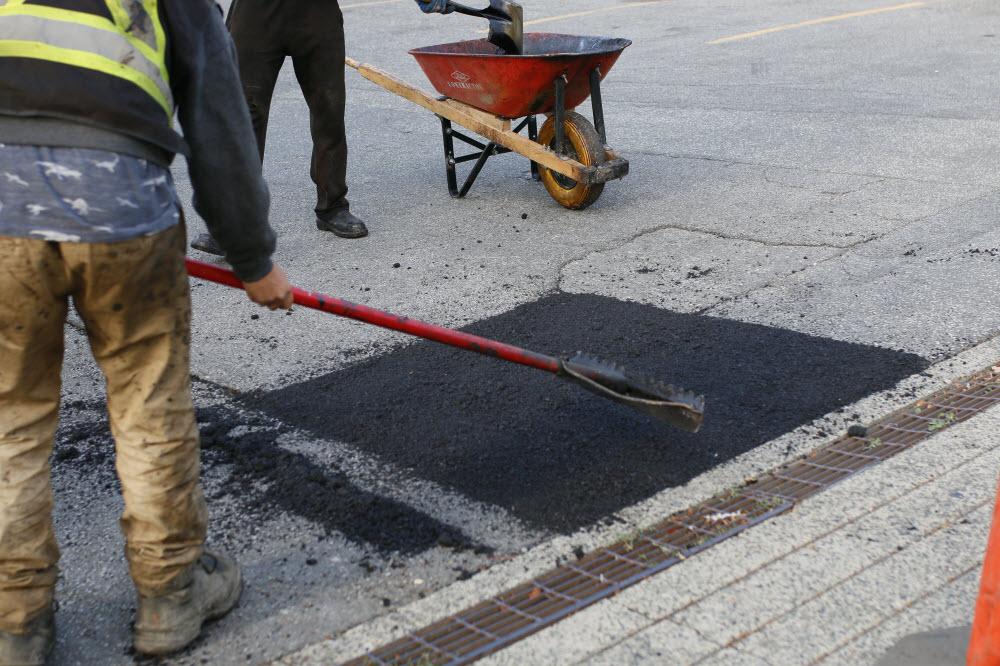
A professional pothole repair generally involves:
- Removing loose and broken asphalt
- Cleaning the damaged area
- Inspecting and repairing the base when needed
- Adding fresh asphalt in the correct layers
- Compacting the repair so it matches the surrounding surface
Simply placing loose material into a pothole may provide temporary relief, but it will not solve a failed base or drainage problem.
Learn more about Burnaby Blacktop’s professional pothole repair services or review The Best and Quickest Methods for Pothole Repair .
When Is Excavation Necessary?
One isolated pothole can often be repaired without rebuilding the entire paved area. However, repeated potholes, widespread cracking, soft spots and sinking pavement may indicate that the base has failed.
In those situations, placing new asphalt on top may only hide the problem temporarily. The damaged material may need to be removed so the base, slope and drainage can be corrected.
Burnaby Blacktop provides excavation and grading services as well as complete asphalt paving when repair alone is no longer the best solution.
Should You Repair One Pothole or Repave the Entire Area?
The right answer depends on the overall condition of the pavement.
A localized pothole with otherwise stable pavement may only need a targeted repair. However, a parking lot or driveway with recurring potholes, alligator cracking, drainage problems and widespread settlement may be a better candidate for resurfacing or reconstruction.
For larger commercial properties, Burnaby Blacktop can assess whether repair, asphalt milling or complete parking lot paving will provide the best long-term value.
Why Choose Burnaby Blacktop?
Burnaby Blacktop does more than fill the visible hole. Our team looks for the reason the pothole formed.
During an assessment, we may evaluate:
- Drainage and standing water
- Base stability
- Cracking patterns
- Traffic volume and vehicle weight
- The condition of the surrounding pavement
Because we also provide crack sealing, sealcoating, drainage installation, excavation, grading, asphalt milling and paving, we can recommend a complete solution rather than a temporary surface fix.
Do Not Wait Until a Small Crack Becomes a Major Repair
Potholes rarely begin as potholes. They begin as cracks, low spots or drainage problems that allow water beneath the surface.
If you notice cracking, standing water, loose asphalt or the beginning of a depression, now is the best time to act.
Need Pothole or Asphalt Repair?
Contact Burnaby Blacktop for a professional pavement assessment. We can identify the cause of the damage and recommend crack sealing, pothole repair, drainage correction, resurfacing or complete paving when necessary.